
Building Genuinely Inclusive Spaces
Building Genuinely Inclusive Spaces
Building Genuinely Inclusive Spaces
The Reality of 'Being Nice': When Good Intentions Miss the Mark - Part 8/8
This is Part 8 of an 8-part mini-series examining how well-intentioned kindness in the Malaysian cosplay community can sometimes achieve the opposite of its intended effect, and what genuine inclusion actually requires
.
Series Table of Contents
- The Performance of Kindness in Cosplay Communities
- The Problem with Lowered Expectations
- Infantilization: The Hidden Power Dynamic
- The Burden of Being 'Special'
- When Help Becomes Harmful
- Learning Through Genuine Relationship
- The Challenge of Community Education
- Building Genuinely Inclusive Spaces (current)
Throughout this series, we have examined how well-intentioned kindness can miss the mark—how performed kindness differs from authentic engagement, how lowered expectations communicate problematic assumptions, how infantilization creates power dynamics, how special treatment burdens rather than helps, how interventions can cause harm, how genuine friendship provides real understanding, and how education faces significant limitations. This final installment brings these insights together to explore what genuine inclusion actually requires and what concrete steps the Malaysian cosplay community can take to move from performative niceness to authentic equality.

Redefining Inclusion
Moving from performative kindness to genuine inclusion requires fundamental shifts in how the Malaysian cosplay community conceptualizes disability and difference. The current approach, however well-intentioned, tends to view certain community members as requiring special treatment to feel included. This framework positions inclusion as something done to or for people with disabilities rather than as a state of genuine equality that benefits everyone.
Genuine inclusion involves a fundamentally different framework. Rather than viewing certain community members as needing special treatment, the community must embrace truly equal treatment as the goal. This means holding everyone to the same standards while recognizing that different people may need different forms of support to meet those standards. The distinction is crucial: equal treatment does not mean identical treatment, but it does mean consistent expectations and genuine respect.
This reconceptualization requires examining what equality actually means in practice. Equality is not about ignoring difference or pretending everyone has identical experiences and needs. Rather, equality means treating people as peers regardless of their differences, respecting their autonomy and capability, providing support when requested rather than when assumed necessary, and holding everyone accountable to the same standards of behavior and craftsmanship.
The shift from special treatment to genuine equality challenges many assumptions that currently shape community behavior. It requires trusting that people with disabilities can handle honest feedback, can navigate their own social situations, can advocate for themselves when they need help. It demands seeing people as individuals first rather than as representatives of their diagnosis. Most fundamentally, it requires believing that people with disabilities are capable of the same levels of achievement and relationship as everyone else when given appropriate support.
Honest Feedback as Respect
Building Genuinely Inclusive Spaces
Genuine inclusion involves honest feedback delivered with respect rather than excessive praise that rings hollow. This principle applies across all aspects of community interaction but becomes particularly important around costume construction, where differential standards have created problematic patterns.
Honest feedback means responding to the actual quality of someone's work rather than to who they are. When a costume demonstrates exceptional craftsmanship, genuine admiration is appropriate regardless of who created it. When a costume has obvious flaws, constructive feedback helps the creator improve regardless of who they are. The feedback should be calibrated to the relationship—close friends can be more direct than acquaintances—but it should not be calibrated based on whether someone has a disability.
Delivering honest feedback with respect requires considering both content and delivery. The feedback should be specific rather than vague, focusing on particular elements that work well or could be improved. It should be delivered in a tone that communicates genuine interest in helping the person develop their skills rather than judgment or condescension. Most importantly, it should assume capability—the belief that the person can understand the feedback, can implement improvements, and wants to develop their craft.
This approach might initially feel harsh to community members accustomed to offering excessive praise to people with disabilities. Telling someone their seams are crooked or their wig needs styling might seem unkind when directed at someone with a visible disability. However, withholding this information is actually more disrespectful, as it denies the person access to the learning opportunities that help everyone improve. Honest feedback, delivered appropriately, demonstrates respect for someone's potential rather than pity for their perceived limitations.
Authentic Connection Over Obligation
Forming friendships based on authentic connection rather than obligation or pity represents another crucial element of genuine inclusion. The scripted, surface-level interactions that currently characterize much community engagement with members who have disabilities must give way to deeper, more genuine relationship.
Authentic connection emerges from genuine shared interests, compatible personalities, and mutual enjoyment of each other's company. It cannot be forced or manufactured through obligation-based inclusion. This means accepting that not everyone will become close friends with everyone else—a reality that applies equally to all community members regardless of disability status.
The challenge for the community involves creating conditions where authentic friendship becomes more possible. This requires moving beyond brief convention encounters toward sustained interaction through smaller meetups, collaborative projects, and online spaces where ongoing conversation can develop. It means creating contexts where people can discover genuine compatibility rather than performing inclusion.
It also requires examining personal motivations for interaction. Are you engaging with someone because you genuinely find them interesting and enjoy their company, or because you feel obligated to be inclusive? The former leads to real friendship; the latter leads to the performed kindness we have critiqued throughout this series. Being honest with yourself about motivation allows you to either develop genuine interest or gracefully limit interaction rather than subjecting someone to hollow performance.

Trusting Agency and Capability
Genuine inclusion requires trusting that people with disabilities can advocate for themselves and handle normal social challenges rather than assuming they need constant protection. This trust manifests in practical ways throughout community interactions.
It means not intervening in conflicts or challenging situations unless specifically asked. When you observe someone with a disability engaged in a disagreement or receiving criticism, resist the impulse to rescue them. Trust that they can assess whether they need support and can request it if they do. Your intervention, however well-meant, denies their agency and reinforces assumptions about their incapability.
It means asking before offering help rather than imposing assistance based on assumptions. "Do you need help with that?" or "Would you like me to say something?" respects the person as the expert on their own situation. Accepting "no" as a complete answer without pushing or insisting demonstrates genuine respect for their judgment.
It means holding people accountable for their behavior regardless of disability status. When someone acts inappropriately, address it directly rather than making excuses for them. Accountability helps maintain healthy relationships and provides opportunities for growth. Excusing behavior because of disability denies the person respect and prevents them from learning and developing.
This trust extends to believing that people with disabilities can meet the same standards as everyone else when given appropriate support. Rather than lowering expectations, maintain consistent standards while being open to discussing what support might help someone meet those standards. This approach positions disability as a factor that might require accommodation rather than as a fundamental limitation on capability.
Uncomfortable Conversations and Self-Examination
This shift toward genuine inclusion requires uncomfortable conversations and honest self-examination. Cosplayers must be willing to question whether their kind actions actually help or instead reinforce othering. This questioning can be difficult, as it requires acknowledging that good intentions alone are not sufficient and that behavior meant to be helpful might actually cause harm.
Self-examination involves looking honestly at your own patterns of interaction. Do you compliment people with disabilities more effusively than others? Do you simplify your language or tone when speaking with them? Do you rush to intervene when you see them facing challenges? Do you hold them to different standards than you apply to everyone else? These questions can reveal uncomfortable truths about behavior you thought was simply being kind.
The discomfort intensifies when receiving feedback that your attempts at inclusion miss the mark. Being told that your kindness comes across as condescending, that your protection denies agency, or that your praise rings hollow can feel like an attack on your character and intentions. The defensive impulse—to explain that you meant well, to argue that the person is being too sensitive, to justify your behavior—is natural but counterproductive.
Genuine commitment to inclusion requires pushing past defensiveness to actually hear the feedback. Even when feedback is delivered bluntly or in a moment of frustration, it contains valuable information about how your behavior affects others. Accepting feedback gracefully, apologizing when appropriate, and committing to doing better demonstrates that you value genuine inclusion over maintaining your self-image as a kind person.
These uncomfortable conversations must also occur at the community level. The Malaysian cosplay community must be willing to examine its collective patterns and acknowledge where stated values and actual practice diverge. This examination requires creating spaces where honest conversation can occur without immediate defensiveness or dismissal.
Creating Sustained Interaction Opportunities
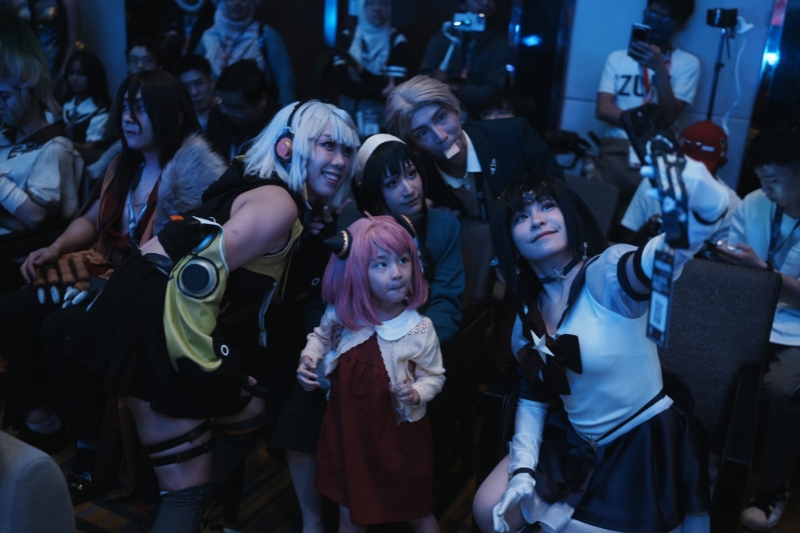
The community must also create more opportunities for sustained interaction between members with and without disabilities, moving beyond brief convention exchanges toward genuine friendship. As explored in Part 6, real understanding emerges through sustained relationship rather than brief encounters or abstract education.
Sustained interaction requires structural changes to how the community organizes itself. While conventions provide valuable gathering spaces, their brief and intense nature limits relationship development. The community needs supplementary structures that support ongoing connection.
Smaller meetups between conventions create opportunities for more intimate interaction. A group of ten people meeting for lunch or visiting each other's workshops allows for deeper conversation and relationship development than a convention floor encounter. These smaller contexts make it easier to move beyond performed kindness toward authentic engagement.
Collaborative projects provide another avenue for sustained interaction. Group cosplays, charity initiatives, or community improvement projects bring people together around shared goals, creating contexts for relationship to develop naturally. Working together toward common objectives reveals personality, work style, and compatibility in ways that brief social encounters cannot.
Online spaces also facilitate ongoing connection between in-person gatherings. Discussion groups, Discord servers, or social media communities allow conversation to continue and deepen between conventions. These digital spaces can be particularly valuable for members who face mobility challenges or live far from major convention centers.
Learning From Those Who Get It Right
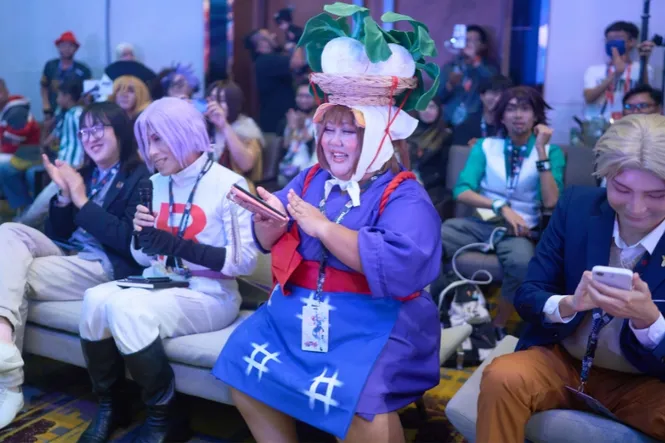
The community should identify and learn from members who already practice genuine inclusion rather than performed kindness. These individuals often have close friendships with people who have disabilities or have themselves experienced differential treatment. Their approaches can provide models for others to learn from.
Observing how these community members interact reveals patterns worth emulating. They treat everyone with consistent standards while remaining open to discussing individual needs. They deliver honest feedback alongside genuine support. They form friendships based on authentic connection rather than obligation. They intervene only when asked or when clearly necessary. They trust people to manage their own situations and advocate for themselves.
These positive examples cannot simply be copied, as genuine relationship requires authentic engagement rather than imitation. However, they demonstrate what genuine inclusion looks like in practice, providing reference points for others who are trying to move beyond performed kindness. They show that treating people with disabilities as equals is not only possible but actually strengthens community bonds.
Ongoing Commitment
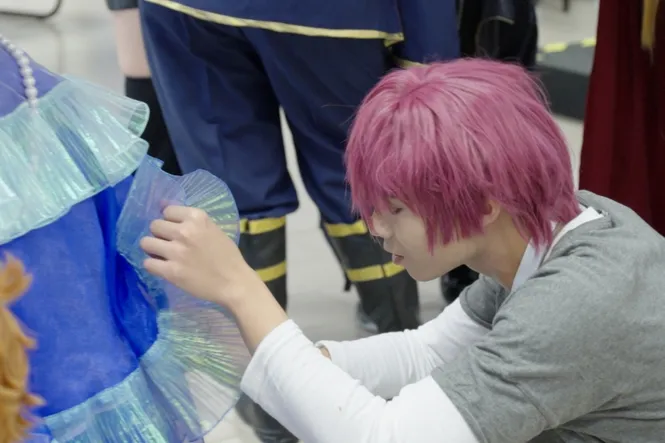
Moving toward genuine inclusion is not a goal that gets achieved and then completed. It requires ongoing commitment to examining behavior, accepting feedback, and doing better. Community culture shifts gradually through countless individual interactions, and each member's continued effort contributes to that shift.
The commitment involves remaining open to learning throughout your participation in the community. As you meet new people and encounter different experiences of disability, you will need to adjust your understanding and approach. What you learn from one friendship may not apply to the next. Individual variation means that learning is never complete.
It also involves advocating for change even when it feels uncomfortable. When you witness problematic behavior, speaking up contributes to shifting community norms. When you receive feedback about your own behavior, accepting it gracefully rather than becoming defensive demonstrates that inclusion matters more than ego. These individual acts of courage and humility collectively transform community culture.
Genuine Belonging
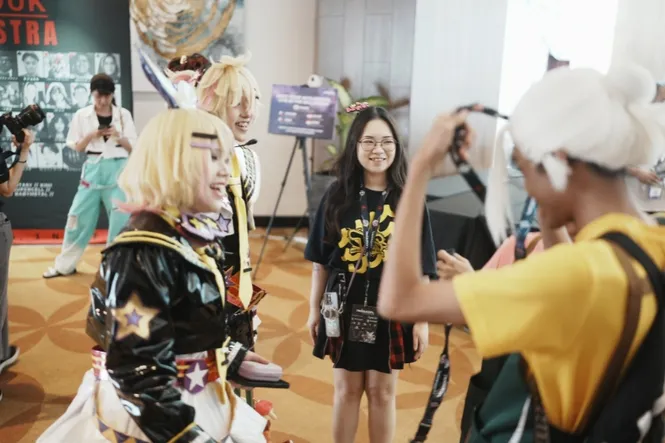
Ultimately, the goal is not to eliminate kindness from the Malaysian cosplay community but to ensure that kindness stems from genuine care and understanding rather than assumptions and obligation. When every community member is treated with equal respect, held to consistent standards, and included based on authentic connection rather than performative niceness, the community will have achieved the genuine inclusion it claims to value.
This vision of genuine inclusion benefits everyone, not just members with disabilities. A community where people are honest with each other, where relationships form based on authentic connection, where everyone is held accountable to consistent standards, and where kindness emerges from genuine care creates better experiences for all members. The work required to achieve this vision is challenging, but the result is a community that truly embodies the values of acceptance and belonging it has always claimed to represent.
Getting there requires acknowledging that good intentions alone are not sufficient. It demands uncomfortable self-examination and willingness to change behavior even when that change feels difficult. It necessitates creating structures that support sustained interaction and genuine relationship. Most fundamentally, it requires committing to the harder work of building real understanding and relationship across difference rather than settling for the easier performance of kindness that ultimately reinforces the very divisions it claims to overcome.
The Malaysian cosplay community has the foundation to achieve genuine inclusion. Its members genuinely value acceptance and want to create welcoming spaces. What remains is translating those values into practice—moving from performed kindness to authentic equality, from assumption to understanding, from obligation to genuine connection. This transformation is possible, but only if the community commits to doing the difficult work that genuine inclusion requires.
Series Table of Contents
- The Performance of Kindness in Cosplay Communities
- The Problem with Lowered Expectations
- Infantilization: The Hidden Power Dynamic
- The Burden of Being 'Special'
- When Help Becomes Harmful
- Learning Through Genuine Relationship
- The Challenge of Community Education
- Building Genuinely Inclusive Spaces (current)
End of Series
Thank you for reading this 8-part series exploring the gap between good intentions and genuine inclusion in the Malaysian cosplay community. While the issues discussed are complex and solutions are not simple, the commitment to doing better represents the essential first step toward creating spaces where everyone truly belongs.

About the Author